Take business visibility, brand recognition, and your customer traffic to the next level by investing in high-impact vehicle wraps and graphics crafted by your local Kansas City sign company, Prairie Fire Signs and Graphics! As your local sign shop, we create eye-catching auto-wraps, personal car wraps truck wraps, trailer wraps, boat wraps, and much more for those businesses looking to take a piece of the market pie!
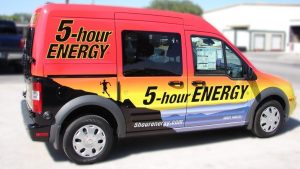 Whether you’re looking for a personalized vehicle wrap for your small business or looking to outfit your entire fleet, we have the perfect auto wrap solution for your business promotional desires. From professional vehicle wrap design through expert installation your custom auto-wrap, we are by your side offering guidance, experience, and support, so you know you’re always getting the best for your investment!
So whether you want your commercial trailers, trucks, cars, vans, or marine vehicles custom wrapped, or need a single vinyl graphic to promote your business – the professionals at Prairie Fire Signs and Graphics can’t wait to get to work for you!
Call Prairie Fire Signs and Graphics for a Free Consultation with a Commercial Vehicle Wrap Expert!
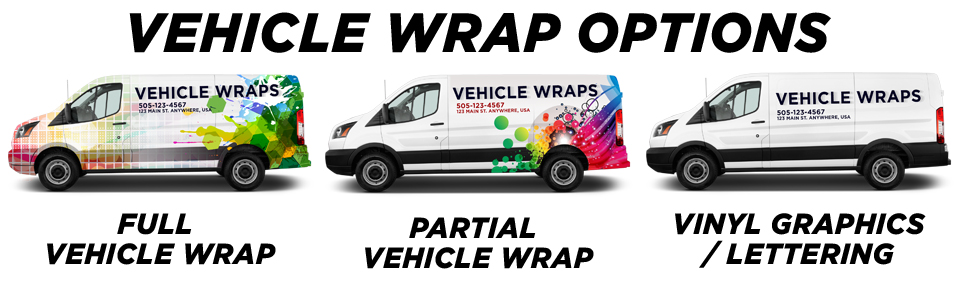
Vinyl Graphics, Partial Wraps, & Magnets
Not every business will need a complete auto-wrap to promote their business, but that doesn’t mean we don’t have a solution for you! Your car can be used to support your business by investing in a custom vehicle magnet, vinyl graphic, or partial auto-wrap.
Full Vehicle Wraps
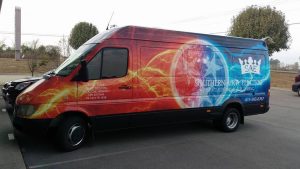
Nothing quite matches the complete transformation of your vehicle like a full-auto wrap! Our custom full wraps provide seamless coverage to your van, bus, car, truck, or trailer. With striking, full-color graphics, we will completely customize the look of your vehicle to match your unique brand, allowing you to take your marketing message everywhere your vehicle goes! So, when you want to make sure your message is heard, Prairie Fire Signs and Graphics has you covered.
Our high-grade, premium-quality vinyl also offers a layer of protection for your heavily used vehicles and watercraft, such as jet skis or boats.
Partial Car Wraps
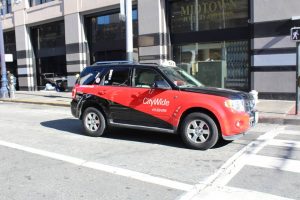 Are you looking for a way to zone in on a specific area of your car for business/brand identification or promotion? We offer a vehicle wrap solution for that as well. Our partial wraps allow you to select any section of your vehicle, such as your side panel, hood, door, tailgate, bumper, or any combination you may desire to promote your business.
Our talented installation team will apply your partial wrap to your preferred location, matching your design to the natural joints of your vehicle for a seamless, attractive finish that customers can’t resist!
Vinyl Graphics
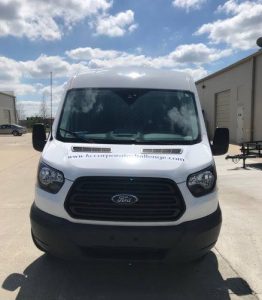
Car vinyl graphics are also an ideal option for brand identification and business promotion. Viny graphics are individually cut from a full sheet of vinyl and can be placed anywhere on your vehicle.
This allows for increased flexibility when personalizing your vehicle; you can add to or remove from your car as much as you desire.
If you’re looking for a sleek, elegant way to display business name or logo, car vinyl graphics and lettering may be the solution you’ve always wanted.
Vehicle Magnets
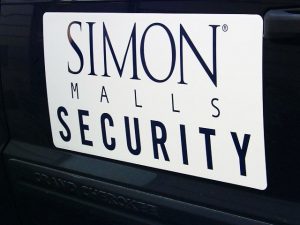
Do need to use your vehicle for business promotion, but want something that is easy to remove and replace? If you want to advertise your business on your terms, then a vehicle magnet is a perfect solution for you. Our custom vehicle magnets are easy to remove and replace when needed – whether you switch between vehicles often, or live in an area where advertising is prohibited, or simply want to drive quicker on your personal time without it reflecting negatively on your business, Prairie Fire Signs and Graphics has the solutions your business needs.
Vehicle magnets are simple to customize and can be found in various sizes, styles, and shapes, making it easy for you to find the right option for your business.
Perforated Window Film
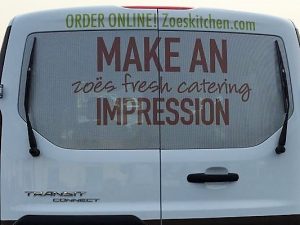 Does something still feel like it’s missing? If you are looking for the perfect option compliment your full or partial auto-wrap, consider investing in a perforated window film. Perfectly legal, this film can be printed to include your corporate message, logo, or business information. Take your car, truck, or van to the next level with our eye-catching perforated window film that not only provides some privacy to the interior of your vehicle but can be that show-stopping design you have always wanted.
From single graphics to full auto-wraps for your boat, trailer, truck, or van, Prairie Fire Signs and Graphics is your partner for high-quality vehicle wraps and graphics!
Professionals Wraps For All Vehicle Types
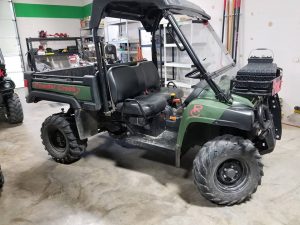 Whether you always have wanted to wrap your fleet of trucks, vans, buses, or need a single vehicle graphic to personalize your car Prairie Fire Signs and Graphics is your source for attractive, high-impact vehicle wraps and graphics in the Kansas City area.
During your free vehicle wrap consultation, our experienced consultants will discuss your business and marketing visibility goals. We tailor all of our vehicle wrap solutions to fit your brand, business, budget, and visibility goals. When we have a firm grasp of what you need, we then draft a custom quote, including any services you may need, such as custom design, manufacturing, and installation for your wrap.
Our vehicle wrap services include:
As your local full-service sign shop, Prairie Fire Signs and Graphics also creates custom indoor signs and outdoor signs that make it easy for you to maximize your branding and business promotional efforts. From high-visibility storefront signs, vinyl window graphics, custom yard signs, lobby logo signs, floor graphics, and vinyl wall murals, Prairie Fire Signs and Graphics has the experience to craft any commercial signs you need to take your business further!
Attractive Wraps for Your Entire Fleet
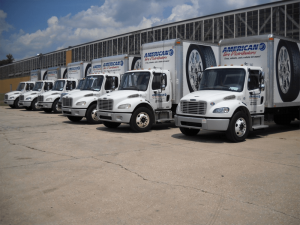 Vinyl wraps are the perfect solution that not only increases brand and business awareness but also helps to improve the perception and confidence of the general public as a whole. If your business often makes home visits such as locksmiths, plumbers, electricians, or exterminators, a vehicle wrap is essential. It is rare to find a person that doesn’t hesitate to allow perfect strangers to enter their home. However, with a custom, branded vehicle wrap, your customers will be more confident that you are who you say, and be more willing to allow you to access their home.
Ad wraps are gaining popularity and have been used to advertise businesses across all industries; however, they remain an essential tool for cable companies, carpet cleaners, dry cleaners, handymen, repair techs, plumbers, and electricians. At Prairie Fire Signs and Graphics, we have seen just how effective ad wraps can be for business promotion, and we would like to show you how our vehicle wraps can help you take your business further!
Promotional Car Wraps
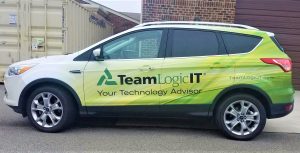 Whether you’re a home delivery service or a local pharmacy, your business can enjoy the benefits of a custom vehicle wrap. Your custom branded vehicle will attract attention simply as you go about your day. Whether you’re on your dropping the kids off at school, heading into work, going to pick up lunch, or parked in your own parking lot, your vehicle wrap is always working hard to promote your business and brand!
Vehicle wraps are an ideal solution for any business that may not necessarily have a retail location. Whether you work from home, own an online store, share an office, or you don’t even have an office, we will help you get your business the attention it deserves and get the jumpstart your business needs to grow!
Are you looking for a way to completely transform of your branded vehicle? We are happy to include your windows for a seamless, attractive look. Window film is safe, legal, and allows you to see perfectly, and will offer some privacy to your vehicle’s interior.
Custom Boat Wraps
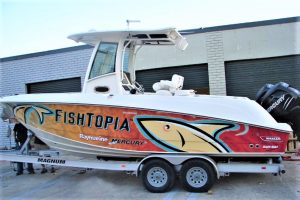 Anyone operating on or near the water knows just how damaging rocks, salt, and other debris can be. Prairie Fire Signs and Graphics creates marine-grade vinyl wraps that will help protect your boats, trailers, jet skis, and other vehicles from the damaging effects of salt water, debris, fresh water, and even sand. If you own a marina, our marine-grade vinyl wraps are an affordable solution that also protects your investment while also spreading the word about your business!
You don’t have to own a boat to operate on the beach. We also offer the same protection to food trucks, trailers, and other vehicles that operate on the beach!
Boat Identification Numbers
Since all boats and other maritime vehicles are required to have identification numbers located on their side, you want to ensure the decals you choose will stay in place even in the harshest conditions. Making sure your boat is on the right side of the law is something that we care about deeply, so we’ll print ID numbers, licenses, as well as the name of your ship in the correct size and ensure placement meets regulation.
Boat-based Businesses
Any business that depends on their ship understands that making sure your ship looks and feels safe, comfortable, and inviting is crucial to the success of your boat based business. Whale watching, charter fishing, parasailing, and any other companies that depend on their boat, can benefit from the protective layer that our marine-grade vinyl wrap provides.
Even better, your marine-grade wrapping also acts as a marketing tool, no matter where it goes, even while docked!
Your Designs, Perfected
 As your local full-service sign shop, Prairie Fire Signs and Graphics can help design your auto wraps and car vinyl graphics. Whether you know precisely what you want, or need some help, our talented design staff has you covered. When you want to personalize your vehicle and spread the word about your business, custom vehicle wraps, magnets, and graphics are the perfect solution to your marketing needs. During your free consultation, the team at Prairie Fire Signs and Graphics walk you through all of our vehicle wrapping options and help find the right solution for your unique business visibility and marketing needs.
Full-Service Vehicle Wrapping
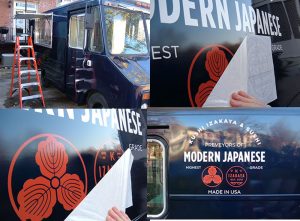
Our knowledgeable, dedicated team of Kansas City vehicle wrap specialists are here for you at every step of the sign creation process. We start your project with a free vehicle wrap consultation. Our consultants will discuss your vehicle types, business model, and your visibility and marketing goals. We’ll discuss the ideas you have, our thoughts, what options best fit your particular goals. When we have a firm grasp of what you’d like, our graphic designers will draft a digital mock-up of your project for review and editing.
Once we get the go-ahead, our fabrication team will begin creating the individual elements that make up your vehicle wrap on our state-of-the-art equipment.
Finally, once your wrap is complete, we send it to our professional installation team to carefully apply it to your vehicle. Our team is proud of the work they do and ensure a seamless finish, free of ripples, bubbles, warps, and rips, for a polished finish that you can’t resist.
Should you need to update, change, or remove your wrap for any reason, we can also assist you with this as well, even if we didn’t complete the original job! From making major to minor repairs, Prairie Fire Signs and Graphics is your trusted signage provider.
Free Vehicle Wrap Consultation
 No matter how many vehicles you have or the amount of customization you need, our team is ready to handle any of your vehicle wrap challenges. From your initial free consultation through professional installation, we are committed to your complete satisfaction. Let us show you how we can turn your vehicle into a brand-building, promotional tool- Call Today!
Call Prairie Fire Signs and Graphics for your Free Consultation with a Vehicle Wrap Specialist!
